Testing New Recovery Methods: Ice Masks, Contrast Baths, and More
Recovery is not simply the period after training. It is the process in which the body actually adapts and grows. Without adequate recovery, even the most well-designed training plan will plateau. Recently, I began testing a few new recovery techniques to observe their effect on soreness, energy, and overall training consistency. The goal was not to chase novelty, but to evaluate whether small adjustments could create meaningful improvements in how I feel and perform.
Why Recovery Matters
When we train, we apply stress to the muscles and nervous system. Strength and growth occur only when the body has the opportunity to repair. This means recovery is not optional. It is part of training — the second half of the equation.
If training is the stimulus,
recovery is the adaptation.
My approach was to test a handful of low-cost, time-efficient methods that could be repeated daily or weekly without disrupting schedule or routine.
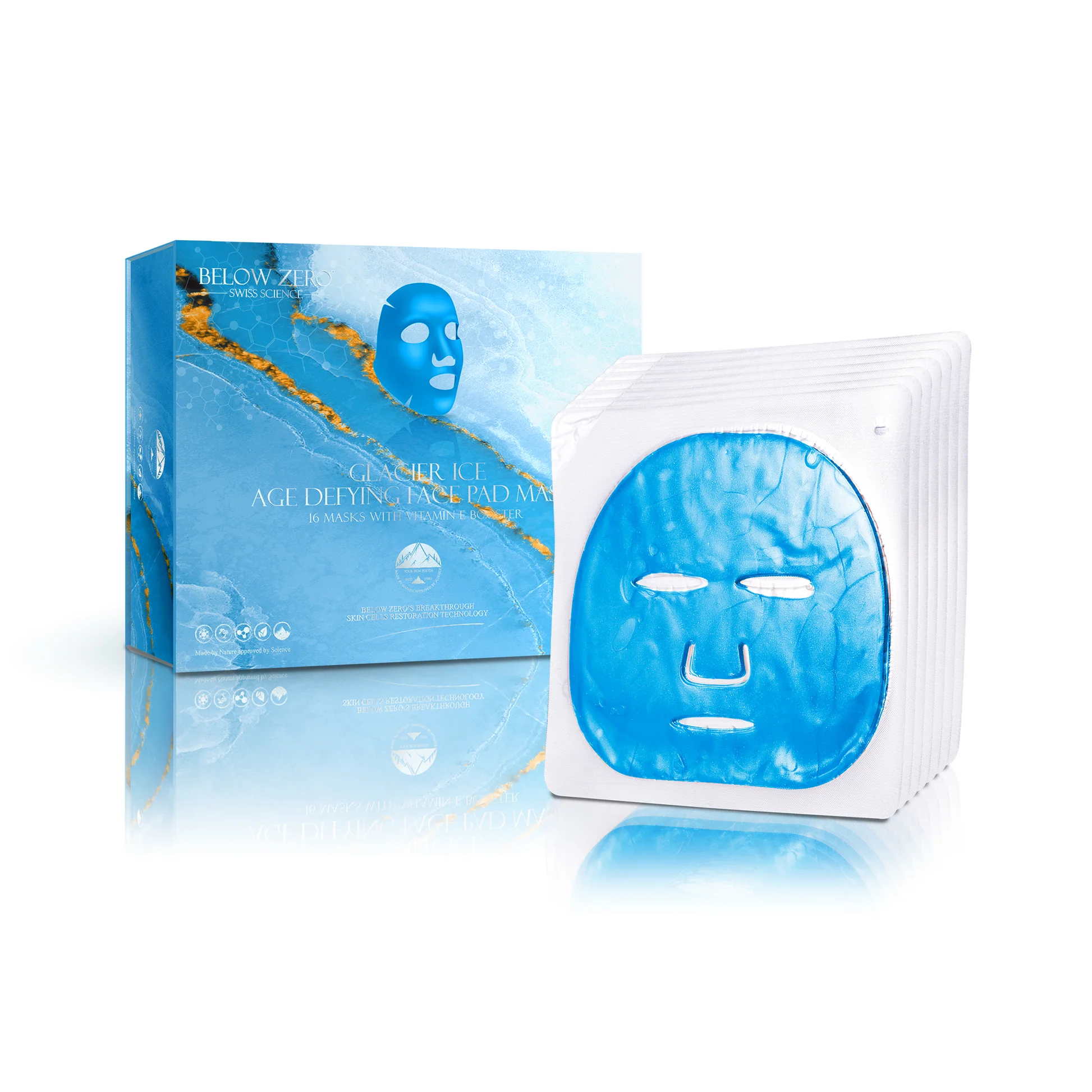
Method 1: Ice Masks
Observation: A cooling mask applied for 5–10 minutes in the morning or post-workout reduced facial and temple tension.
Effect: Increased alertness and a noticeable calming effect on the mind.
This method was surprisingly effective. The cold stimulus appears to influence both the facial musculature and the nervous system, producing a quick reduction in stress and mental fatigue.
Key Insight:
This works best as part of a morning routine or cooldown ritual — not as a standalone tool.
Method 2: Contrast Baths
This involves alternating between hot and cold water, typically in cycles of 1–3 minutes each.
Benefits Noticed:
- Reduced muscle soreness, especially in legs
- Improved circulation
- Faster perception of “readiness to train” the next day
Contrast therapy appears to “flush” tissues — not literally removing waste, but improving blood flow and recovery signaling.
Key Insight:
Consistency matters more than extreme temperature changes. It is a rhythm, not a shock.
Method 3: Mobility + Breathwork (Evening Routine)
This was a simple 8–12 minute session focused on:
- Slow nasal breathing
- Hips and thoracic spine mobility
- Relaxed pacing rather than exertion
Sensed Effect:
A smoother transition out of “performance mode” into rest. Sleep onset became easier, and morning stiffness decreased.
Key Insight:
The body benefits when you deliberately signal that the day is done.
Early Conclusions
None of these methods are dramatic. They do not replace sleep, nutrition, or hydration. However, they provide small, repeatable advantages that accumulate over time.
Most Notable Improvements:
- More consistent energy throughout the day
- Reduced muscle soreness between training sessions
- Better mental clarity and calmer mood
The Core Principle
Recovery does not require excess.
It requires intention and consistency.
Final Thought
Strength is built during training, but resilience is built during recovery. Small daily practices compound into long-term durability — not just in the body, but in the mind.
If you are experimenting with your own recovery routines, observe how you feel, not just how you perform. The nervous system is the master regulator — when it is balanced, progress accelerates naturally.