Website designed with the B12 website builder. Create your own website today.
Start for free
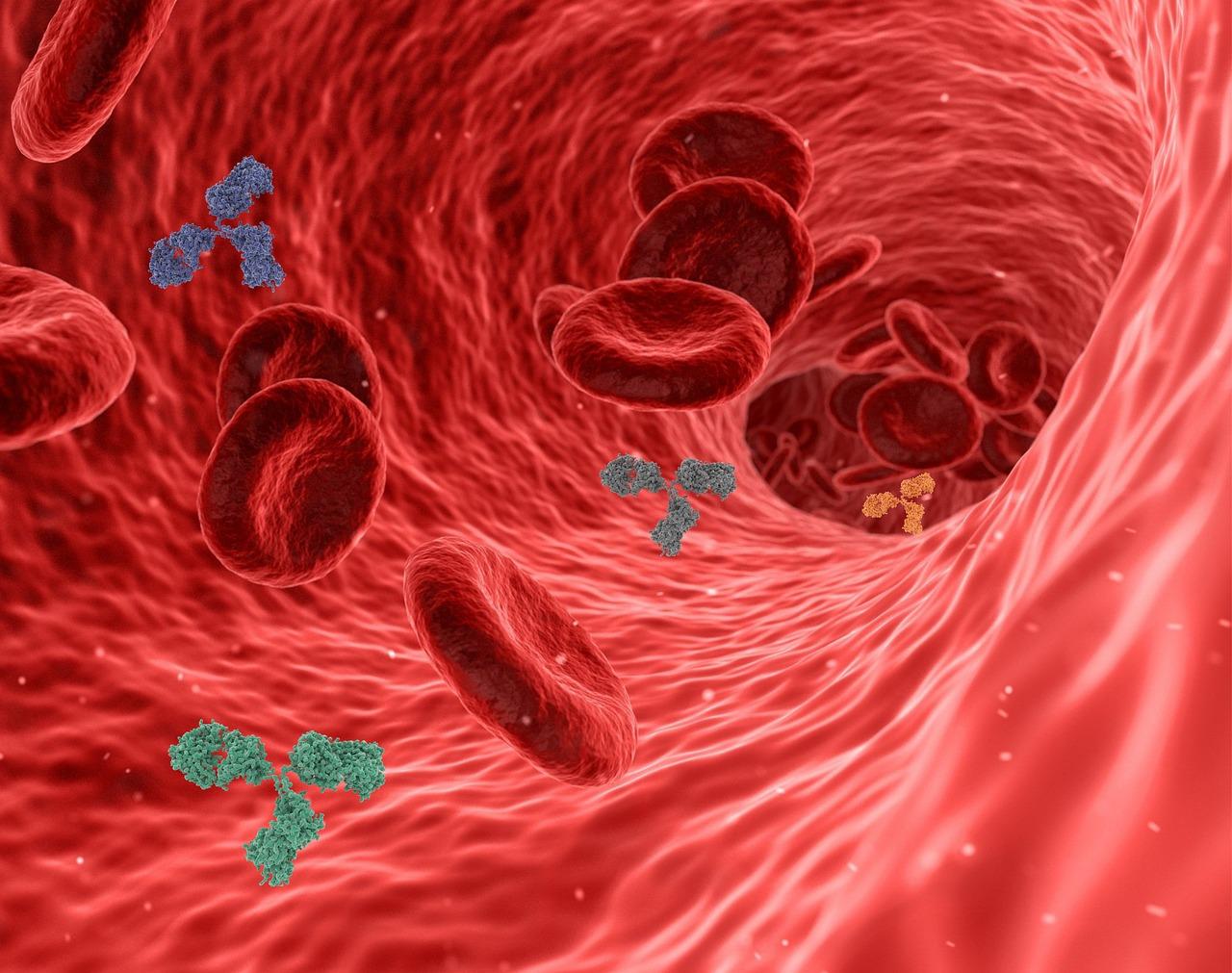
Anabolic steroids, particularly anabolic androgenic steroids (AAS) and testosterone, have garnered significant attention for their performance-enhancing effects. However, the impact of these substances on the immune system often receives less scrutiny. Both testosterone and AAS can adversely influence immune function by affecting leucocyte growth and activity, as well as antibody and cytokine production. When used at supraphysiological doses, they can mimic a condition of secondary immunodeficiency, potentially increasing vulnerability to viral infections. This blog post explores how AAS can compromise your immune response, exposing you to a higher risk of common and opportunistic infections.
As the popularity of steroids continues to rise among athletes and bodybuilders, understanding the associated health risks becomes increasingly important. Secondary immunodeficiency—much more common than primary immunodeficiency—can arise from various factors related to steroid use, leading to an increased frequency of infections and unusual complications. In this article, we will delve into the signs and risks of immune deficiencies linked to steroid use and provide actionable strategies to mitigate these vulnerabilities. By raising awareness and promoting safe practices, we hope to empower individuals to make informed decisions about their health while using anabolic steroids.
Understanding the impact of testosterone and anabolic androgenic steroids (AAS) on immune function
Both testosterone and anabolic androgenic steroids (AAS) play significant roles in various physiological processes, but their effects on the immune system can be concerning. Research shows that these substances can adversely influence the immune system by affecting leukocyte growth and activity, as well as altering antibody and cytokine production. When individuals use AAS at supraphysiological doses—which are much higher than natural levels—they can mimic a condition known as secondary immunodeficiency. This artificial elevation of hormone levels can lead to a weakened immune response, increasing an individual’s vulnerability to infections.
The impact of testosterone and AAS on immunity extends beyond mere hormone imbalance; it creates a domino effect within the immune system. The alterations in cytokine production can disrupt the delicate balance required for a healthy immune response, leading to an impaired ability to fend off pathogens. Furthermore, this immune suppression can result in a higher frequency of common infections and can even precipitate complications from opportunistic infections, where pathogens typically harmless to healthy individuals can take hold. Awareness of these risks is crucial for anyone considering the use of these substances, as the long-term consequences may outweigh the short-term benefits.
Recognizing the signs and risks of secondary immunodeficiency due to steroid use
Anabolic androgenic steroids (AAS) can significantly alter the immune system, leading to secondary immunodeficiency. Users might not immediately notice the subtle shifts in their immune responses, but persistent infections and unusual complications can emerge as clear warning signs. Common symptoms include recurrent respiratory infections, skin infections that are slow to heal, and increased susceptibility to viruses that typically pose little threat to healthy individuals. Users must remain vigilant, as these signs indicate that their immune system may be compromised, a situation exacerbated by the high doses often associated with steroid abuse.
The increased vulnerability to infections arises from disrupted leukocyte growth and function, hindered antibody production, and altered cytokine responses. When users administer supraphysiological doses of testosterone and AAS, they mimic conditions associated with secondary immunodeficiency. This immunosuppressive effect leaves users open to opportunistic infections and other complications not typically seen in those with a robust immune system. Understanding these risks is crucial for anyone considering the use of steroids, as the long-term consequences on immune health can be profound and detrimental to overall well-being.
Strategies to mitigate immune system vulnerabilities while using steroids
To reduce the risk of secondary immunodeficiency when using anabolic androgenic steroids (AAS), individuals should prioritize overall health and wellness. Regular health check-ups become crucial, as they allow for early detection of any immune system changes. Maintaining a balanced diet rich in antioxidants, vitamins, and minerals can bolster the immune response. Nutrient-dense foods like fruits, vegetables, whole grains, and lean proteins provide the essential building blocks our bodies need to function optimally. Staying hydrated also plays a significant role in immune health, as proper hydration supports cellular function and nutrient transport.
In addition to nutrition, incorporating regular physical activity into one’s routine can enhance immune function. Engaging in moderate exercise improves circulation and helps regulate hormones, potentially counteracting some adverse effects of AAS. Furthermore, managing stress through mindfulness practices, sufficient sleep, and relaxation techniques can also lower cortisol levels, which may negatively affect immune function. When using steroids, consider consulting with a healthcare professional for personalized advice and, if necessary, supplementation to support immune health, thus ensuring a proactive approach toward minimizing vulnerabilities to viral infections and other pathogens.